


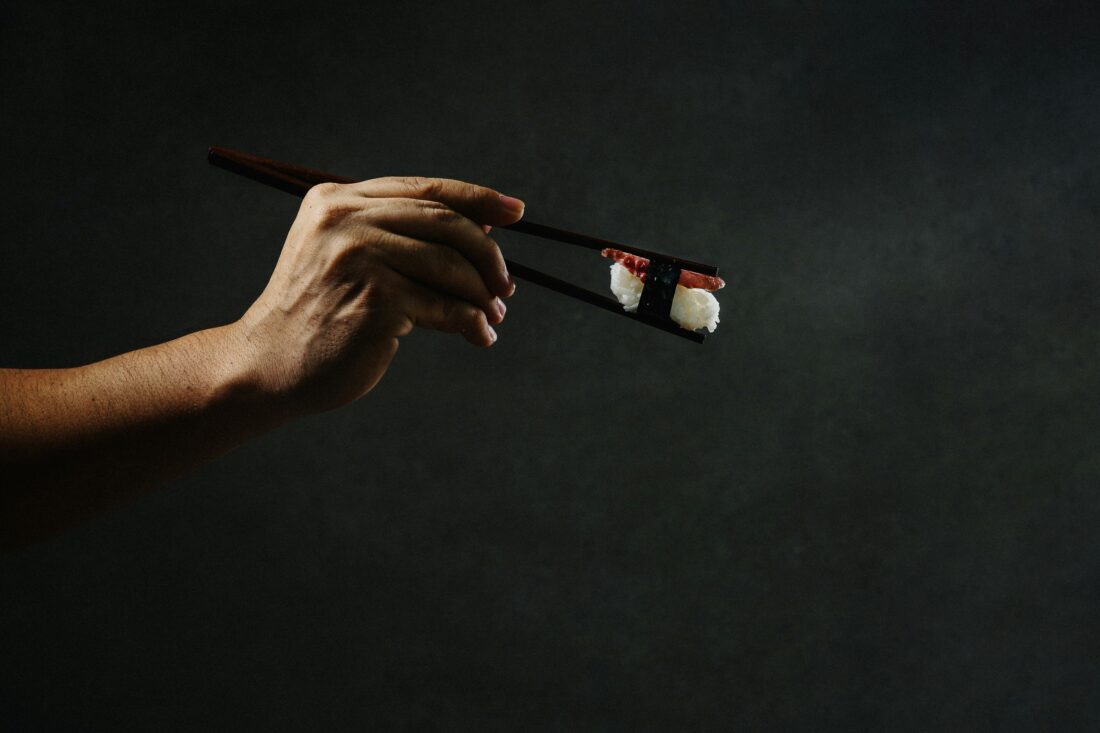
Japanese Chopsticks Etiquette: 8 Rules and Mistakes to Avoid
Whether you’re eating sushi at home, heading to a ramen spot in London, or planning a trip to Japan, chopsticks (hashi) come with a few unwritten rules. The good news: you don’t need to memorise a hundred traditions to be respectful. Avoid a handful of “big taboos,” and you’ll already look (and feel) confident at the table.
Below are eight practical rules—plus what to do instead—so you can focus on the best part: the food.
1) Don’t stick chopsticks upright in rice
This is the number-one mistake people remember—because it’s strongly associated with Japanese funeral rituals and offerings. The visual is the problem, not your intention.
Do this instead:
Lay your chopsticks down neatly (ideally on a chopstick rest), or across your own plate if needed.
2) Don’t pass food chopstick-to-chopstick
Handing food directly from your chopsticks to someone else’s chopsticks is another major no. It echoes a funeral rite, so it can feel unsettling in a dining setting.
Do this instead:
Put the food down on a small plate, then let the other person pick it up.
3) Use the “clean end” for shared dishes
In Japan, shared plates are common (think: izakaya-style dining). Using the eating end of your chopsticks to pick from communal dishes can read as unhygienic.
Do this instead:
Use serving chopsticks if they’re provided—or flip your chopsticks and use the clean ends to transfer food.
4) Don’t spear food (or saw at it)
Spearing something like a cocktail stick, or aggressively “cutting” food with chopsticks, can come across as messy or impatient.
Do this instead:
If something’s too big, gently separate it with controlled pressure (or take a bite and set it back down neatly).
With sushi, it’s also perfectly normal to eat it with your hands in many settings—so don’t stress if chopsticks feel awkward.
5) Don’t point, gesture, or wave chopsticks while talking
Chopsticks aren’t “hand pointers.” Gesturing with them can feel like pointing a finger at someone—only sharper.
Do this instead:
Put your chopsticks down before you start talking with your hands.
Keep your chopsticks close to your own plate/bowl.
6) Don’t lick, suck, or “clean” the tips
Even if something is delicious, licking chopsticks (or holding them in your mouth while deciding what to eat next) reads as sloppy in most settings.
Do this instead:
If sauce is dripping, touch the food lightly to your rice/bowl edge to control it—or take smaller bites.
7) Don’t rub disposable chopsticks together
It’s a common habit with disposable wooden chopsticks—but in Japan it can imply the chopsticks are cheap or poorly made, which can feel rude to the host.
Do this instead:
Split disposable chopsticks cleanly and use them as they are.
If there’s a genuine splinter (rare), discreetly ask for another pair.
8) Don’t leave chopsticks messy when you pause or finish
How you “park” your chopsticks matters. Leaving them skewed across bowls, stabbing into food, or clattering them on the table makes a meal feel chaotic fast.
Do this instead:
Use a chopstick rest (hashioki) whenever possible.
If there isn’t one, rest them neatly on your plate (or fold the paper sleeve into a simple rest in casual settings).
A simple “golden rule” that covers most situations
If you remember nothing else, remember this: keep chopsticks clean, calm, and contained. Neat movements + tidy resting = respectful dining in almost any Japanese context.
For deeper reading from an authoritative source, Japan National Tourism Organization has a clear overview of table manners (including chopstick taboos).
Choosing chopsticks that make etiquette easier (a tiny, practical tip)
Etiquette is easier when your chopsticks feel stable in your hand. A well-balanced pair with comfortable tips helps you pick up food neatly (especially slippery noodles, tofu, or sashimi).
At Kawa London, we stock Japanese-sourced chopsticks chosen for everyday use (and gifting)—so you can practise at home with a pair you’ll genuinely enjoy using.
FAQ
Is it rude to stick chopsticks in rice in Japan?
Yes—avoid it. It’s closely associated with funeral offerings.
What should I do if I need to pass food to someone?
Place it on a plate first so they can pick it up themselves.
How do I take food from shared plates politely?
Use serving chopsticks if provided, or flip your chopsticks and use the clean ends.
What’s the biggest chopstick mistake tourists make?
The two most common are standing chopsticks in rice and passing food chopstick-to-chopstick—both linked to funeral customs.